What Are Renewable Energy Systems?
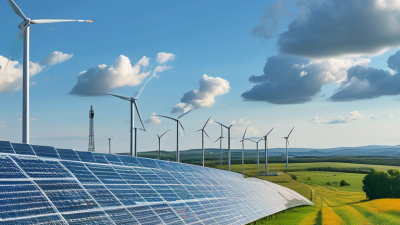
Renewable energy systems turn natural flows—sunlight, wind, water, and geothermal heat—into usable electricity or heat. They are more than solar panels or wind turbines. A rooftop array depends on an inverter, wiring, and often a meter; a remote community microgrid may also need batteries and backup generation. Each component must work with local weather, demand, and the wider grid. The details matter.
The scale is already substantial. IRENA’s Renewable Capacity Statistics 2024 reports that renewables added 473 gigawatts of power capacity in 2023, representing 86% of global additions that year. The International Energy Agency’s Renewables 2023 forecast also projected nearly 3,700 gigawatts of new renewable capacity worldwide during 2023–2028. These figures describe capacity, not constant output: a panel’s midday peak is not the same as reliable power after sunset. Fatih Birol, the IEA’s Executive Director, said, “Renewables are growing faster than many people think.” His remark captures momentum, not a guarantee. But not automatic. Storage, transmission, land use, maintenance, and upfront costs still shape whether a system works well in practice. Some projects also face delays or community concerns. That deserves attention, not a footnote. Understanding renewable energy systems means examining how technologies connect, where their energy goes, and what keeps supply dependable. The transition is promising, though uneven—and the engineering is only part of the story.
Meaning and Scope of Renewable Energy Systems
What Are Renewable Energy Systems?
Meaning and Scope of Renewable Energy Systems
A renewable energy system turns naturally replenished sources into useful heat, electricity, or fuel. Sunlight, wind, moving water, geothermal heat, and sustainably managed biomass can all contribute. The term covers more than the equipment that captures energy. A rooftop solar array, for example, depends on inverters, wiring, meters, and a connection to a home or local grid. Some homes also use batteries to store daytime electricity for evening use. Small details matter.
The broader scope includes planning, installation, maintenance, storage, and the networks that move energy to users. It also includes how demand is managed when sunlight fades or wind drops. Not just generation. A community may combine solar panels, batteries, and flexible water heating to ease pressure on its grid. The exact mix depends on local weather, land, infrastructure, and energy needs. Renewable does not mean impact-free: equipment takes materials to manufacture, and projects can affect habitats or nearby residents. These trade-offs deserve attention, even when a system reduces emissions during operation. Boundaries can be fuzzy, too; an electricity project may rely on non-renewable backup. That does not make its renewable share meaningless, but it makes clear accounting essential.
Key Components and Their Roles
A renewable energy system turns naturally replenished resources into usable heat or electricity. Its components depend on the resource and site. In a rooftop solar system, photovoltaic panels capture sunlight and produce direct-current electricity. An inverter converts that electricity into alternating current for household circuits. The inverter also monitors output and may disconnect the system during a grid outage. Small detail, big role.
Mounting rails hold panels at a chosen angle, while sealed cable connections carry power between equipment. A meter records energy flowing to or from the grid, though its setup varies by utility. Some systems include batteries, which store surplus electricity for later use. A charge controller manages battery charging in off-grid setups and helps prevent damaging overcharging. Batteries add flexibility, but they also require space, monitoring, and replacement over time.
Other renewable systems use different hardware. A wind turbine’s rotor turns a generator, while a heat pump moves heat using electricity rather than creating it through combustion. Controls coordinate these parts and respond to changing demand. The neat diagrams often leave out site conditions: shade, roof angles, local weather, and wiring paths can change performance. A qualified installer should assess loads, equipment compatibility, and electrical protection before installation. On a cloudy afternoon, a monitoring display can help reveal how much power the panels are actually producing.
Renewable Energy Systems: Key Components and Their Roles
Typical efficiency ranges for selected components in a solar-electric system
The bars show typical efficiency ranges; actual performance varies by technology, operating conditions, and system design. These measures are not directly equivalent: module efficiency describes sunlight-to-electricity conversion, while battery efficiency describes round-trip energy retention.
- Solar modules (18–23%): Convert sunlight into direct-current electricity.
- Inverter (96–99%): Converts direct current into alternating current for homes and the grid.
- Battery storage (85–95%): Stores electricity and returns it later; the range refers to round-trip efficiency.
- Charge controller (95–98%): Regulates charging between the solar array and battery.
- Transformer (98–99%): Changes voltage for efficient transmission or distribution.
How Renewable Sources Become Usable Energy
What Are Renewable Energy Systems?
How Renewable Sources Become Usable Energy
Renewable energy systems turn natural flows into electricity or useful heat. Sunlight, moving air, flowing water, and underground warmth each need different equipment. A rooftop solar panel produces direct-current electricity. An inverter changes it into alternating current for household appliances. That conversion loses a little energy. No system is perfectly efficient.
Wind turbines use rotating blades to drive a generator. Hydropower systems guide flowing water through turbines, while geothermal systems can draw on heat beneath the ground. The resulting energy may be used immediately, stored in batteries, or sent through power lines. A battery helps balance supply when clouds pass or winds ease, but it also adds cost and energy losses. Small details matter: shade from a nearby tree can reduce a panel’s output, and a turbine needs suitable wind conditions.
Controls monitor voltage, temperature, and changing demand, helping equipment operate safely and reliably. Connecting a system to a wider grid also requires its electricity to meet grid standards. Renewable does not mean effortless. Weather varies, components wear, and local conditions shape performance. It is easy to focus on the generator and overlook the wiring, storage, and maintenance that make energy practical. That gap deserves attention.
Major Types of Renewable Energy Systems
Renewable energy systems draw power from sources that naturally replenish, but each type works differently. Solar photovoltaic panels convert daylight into electricity; on a clear roof, their output can rise through midday and fall sharply after sunset. Solar thermal systems use sunlight to heat water or another fluid. Wind turbines turn moving air into electricity, though production varies with wind speed and local terrain. Storage or grid connections can help manage these fluctuations, but neither removes every planning challenge.
Hydropower uses flowing or falling water, from large reservoirs to smaller run-of-river facilities. Reservoirs can provide adjustable power, while dams may alter river habitats and sediment movement. Geothermal systems tap heat beneath the ground, often providing steady energy where suitable underground resources exist. Biomass systems produce heat or electricity from organic material, such as agricultural residues, when sourced and managed responsibly. Ocean energy captures tides or waves, but many technologies remain less widely deployed. A little messier. In practice, a community might combine rooftop solar with wind or hydropower, depending on its location and needs. No single type fits every place. The trade-offs deserve a closer look.
Where These Systems Are Used and How They Connect to the Grid
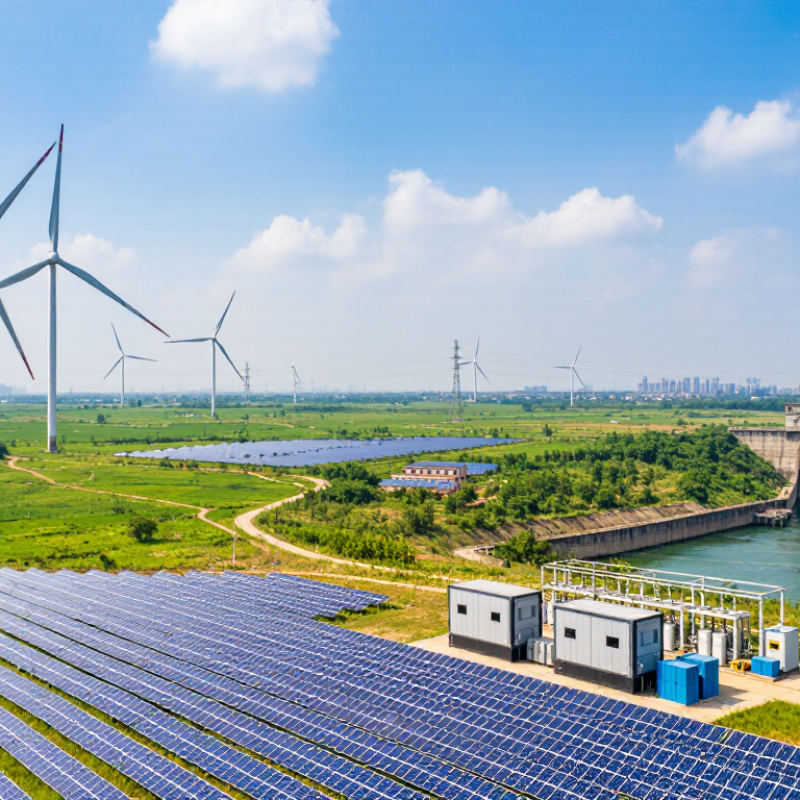
Renewable energy systems are used wherever sunlight, wind, water, or organic matter can provide useful power. Rooftop solar can supply homes, schools, and warehouses, while large solar and wind farms feed electricity into regional grids. In remote communities, small microgrids can combine renewables, batteries, and backup generators. IRENA’s Renewable Capacity Statistics 2025 reports that global renewable power capacity reached 4,448 gigawatts by the end of 2024. That growth is substantial, but capacity alone does not show how reliably electricity reaches customers.
Grid-connected systems typically use inverters to convert electricity into a form compatible with the grid. Transformers adjust voltage, while meters and protective equipment monitor flows and disconnect equipment during faults. Power may travel from a rooftop array to the building first, with surplus exported to the local network. Ember’s Global Electricity Review 2025 estimates that renewables generated 32% of global electricity in 2024. Yet local grid capacity, connection queues, and weather can limit how much new power is delivered. A sunny panel cannot guarantee steady output at dusk.
Tips: Check whether a site has suitable grid access before choosing system size. Ask how batteries, export limits, and outages affect everyday use. Small details matter. A clear connection plan can prevent costly redesigns.