What Is an Oven Gasket and How Does It Work?

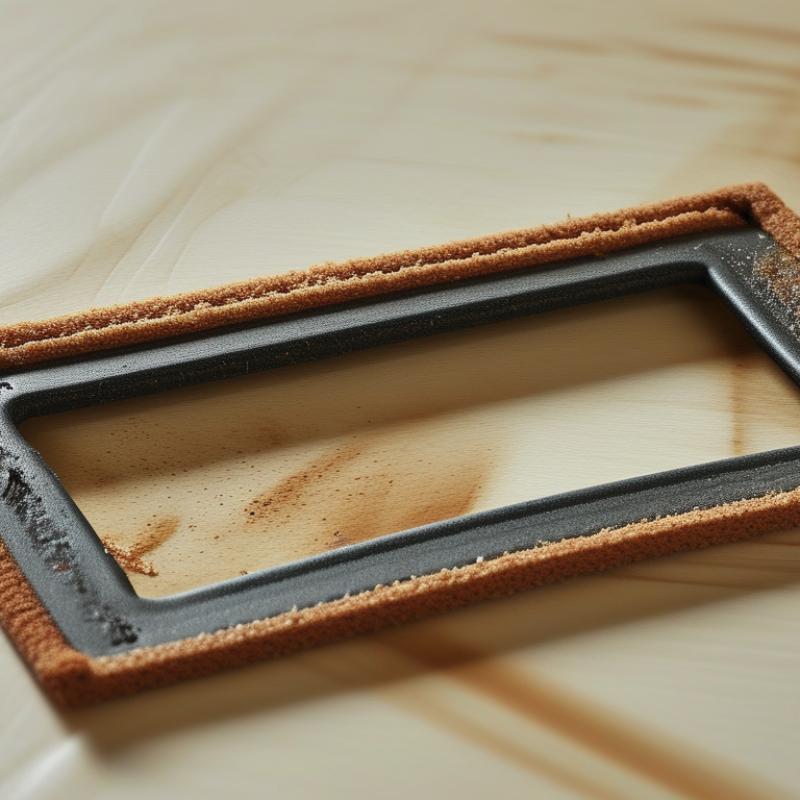
An Oven Gasket is the heat-resistant seal fitted around an oven door. It closes the narrow gap between the door and the cooking chamber. Though it looks like a simple cord or rubber strip, its role is precise. It helps retain heat, supports stable cooking temperatures, and reduces energy loss during baking or roasting.

When the gasket sits correctly, the door should close firmly without excessive force. The seal compresses against the oven frame, limiting hot air from escaping around the edges. In practical use, a damaged gasket may leave brown food undercooked, extend cooking times, or make the outer door feel unusually hot. Small part. Big effect. However, not every heating problem comes from the gasket. A faulty thermostat, loose hinge, or blocked vent can create similar symptoms.

This guide explains how an Oven Gasket works, which materials manufacturers commonly use, and how to inspect one safely. A careful check can reveal fraying, hardened sections, gaps, or loose clips. Do not pull aggressively. Some seals are woven with heat-resistant fibers, while others use molded silicone or rubber compounds designed for high temperatures. The exact replacement must match the appliance model and installation method. I have seen owners blame the seal too quickly, then discover a misaligned door. That mistake is understandable, but worth reconsidering. Reliable diagnosis begins with observation, not assumption. Always allow the oven to cool completely and follow the manufacturer’s service instructions before handling the gasket.
What Is an Oven Gasket and How Does It Work?

Oven Gasket Definition: Sealing the Door Gap at Temperatures up to 260°C

What Is an Oven Gasket and How Does It Work?
Oven Gasket Definition: Sealing the Door Gap at Temperatures up to 260°C

An oven gasket is a heat-resistant seal fitted around the door or front frame. It closes the narrow gap between the door and cavity. Many designs use woven fiberglass with a silicone or rubber outer layer. When the door shuts, the gasket compresses against the frame. This contact limits hot-air escape and helps maintain a stable cooking temperature.

Properly selected gaskets can operate at temperatures approaching 260°C, although ratings vary by material and oven design. The International Energy Agency’s Energy Efficiency 2023 report states that buildings consume about 30% of global final energy. Small appliance losses matter within that larger picture. A damaged gasket may force heating elements to cycle more often. It can also lengthen cooking time and create uneven browning.

Inspection is practical.

Look for flattened sections, hardened edges, loose stitching, or dark heat marks. A simple paper test can reveal weak contact: close the door over a sheet and pull gently. If it slides out easily, the seal may need attention. That test is useful, but not perfect. Door alignment, hinge wear, and frame distortion can produce similar symptoms. IEC 60350-1 testing principles also show why controlled temperature and energy measurements matter when comparing oven performance. Manufacturers should verify gasket compression, material aging, and thermal exposure through repeated heating cycles. One overlooked detail remains important: a gasket may look intact while losing elasticity inside.

Gasket Materials: Comparing Silicone, Fiberglass, and Heat-Resistant Rubber

An oven gasket seals the gap between the door and cavity. It limits heat loss and keeps the outer door cooler. In practice, the material choice matters more than appearance. The U.S. Department of Energy’s conventional-oven test procedure uses a 350°F bake setting, while self-clean cycles can approach 900°F. A gasket must survive both routine heating and repeated thermal shock.

Silicone usually handles about 200–250°C, depending on its formulation. It remains flexible and resists moisture, but it can soften near hotter cleaning zones.

Fiberglass survives much higher temperatures, often above 500°C as a dry textile. However, its coating, stitching, and corner joints may fail earlier. It also feels rough against bare skin.

Heat-resistant rubber offers strong compression and a good door seal. Its working range varies widely, commonly from 150–300°C. “Heat-resistant” is not a universal rating.

ASTM D573 evaluates rubber after heated-air aging, but the test does not reproduce every oven cycle. That limitation matters. UL 94 flame ratings also do not prove continuous service temperature. Look for published temperature limits, compression recovery data, and aging results. A practical check is simple: close the door on a thin paper strip. If the strip pulls out easily, the gasket may have lost compression. Corners deserve extra attention. They often harden first. This comparison is imperfect because the adhesive, fastening method, and door alignment can change performance as much as the gasket material.

How Compression Creates an Airtight Seal During Repeated Heating Cycles

What Is an Oven Gasket and How Does It Work?

An oven gasket is a heat-resistant seal fitted around the door or cabinet opening. It compresses when the door closes, filling small gaps between two hard surfaces. This pressure blocks hot air from escaping and reduces room-temperature air entering the cavity. The seal must remain flexible after repeated heating cycles. Otherwise, it can flatten, crack, or lose its recovery force.

Compression is the key mechanism. A properly fitted gasket may compress by a controlled amount, depending on its material and groove design. During heating, the gasket expands slightly, but it must still keep contact with the door. IEC 60350-1:2023 provides repeatable oven performance tests involving heating and cooking cycles. These tests show why stable door closure matters. The U.S. Department of Energy also identifies heat transfer and door sealing as important factors in cooking-product efficiency. Poor sealing can create longer heating times and uneven temperatures. That sounds simple. It is not.

Tips: Check the gasket for brittle sections, loose corners, or dark heat marks. Close the door on a thin sheet of paper. If the paper slides out easily, compression may be weak. Do not stretch the gasket during installation. A distorted seal can create a narrow leak path. NFPA’s Home Structure Fires report found that cooking equipment caused about 158,400 home structure fires annually from 2017 to 2021. A gasket does not prevent fires, but consistent closure supports controlled oven operation. One practical limitation remains: a clean gasket can still fail if the hinge or door frame is misaligned.

Thermal Performance: Meeting EN 60335-2-6 Requirements for Household Ovens

What Is an Oven Gasket and How Does It Work?

An oven gasket is a flexible seal fitted around the door opening. It limits heat loss and helps keep hot air inside the cavity. In practical inspections, a healthy gasket feels resilient, not brittle or flattened. Small gaps can create visible heat escape around the door. They can also make cooking temperatures less stable.

Thermal performance matters when evaluating household ovens under EN 60335-2-6. The standard addresses safety for household electric cooking appliances, including temperature protection and resistance to abnormal operation. A gasket supports these requirements, but it does not meet them alone. The complete appliance needs suitable insulation, door construction, ventilation, controls, and materials. Test engineers measure accessible surface temperatures and examine how heat behaves during normal and fault conditions. The exact assessment depends on the appliance design and the applicable edition of the standard.

Material selection is important. Silicone, fiberglass, or other heat-resistant constructions must tolerate repeated heating, cooling, steam, and cleaning. Installation matters just as much. A twisted seal may look acceptable but leave a narrow leakage path. I have seen this overlooked during routine maintenance. That mistake deserves a second look. Users should inspect for tears, hard spots, loose sections, and uneven contact. Closing the door gently can reveal resistance changes. Replacement should follow the oven’s technical specifications, because an unsuitable profile may alter heat transfer and door alignment. A gasket is a modest component. Its thermal role is not modest.

What Is an Oven Gasket and How Does It Work?

An oven gasket is a flexible sealing element fitted around the door or cavity opening. It compresses when the door closes, reducing heat and air leakage. The chart compares typical continuous service-temperature ceilings for common gasket material types used in thermal applications.

Typical engineering reference values: silicone rubber approximately 230°C, PTFE approximately 260°C, EPDM rubber approximately 150°C, and woven glass fiber approximately 500°C. Actual performance depends on compression, aging, installation, chemical exposure, and oven design. Compliance with EN 60335-2-6 requires evaluation of the complete appliance and applicable surface-temperature and safety requirements; material temperature capability alone does not demonstrate compliance.

Failure Indicators: Heat Loss, Cracking, and Seal Compression Set Over Time

An oven gasket is the flexible seal around the door opening. It limits hot-air leakage during baking and supports stable cooking temperatures. Most gaskets use heat-resistant woven material or elastomeric compounds. The seal works through controlled compression when the door closes.

Failure often begins as heat loss. A darkened cabinet edge, longer preheating, or uneven browning can indicate leakage. The U.S. Department of Energy’s cooking-product test procedures require standardized energy measurements, showing why door sealing affects comparable efficiency results. Still, household results vary with cookware, load size, and thermostat cycling. One test cannot explain every complaint.

Cracking is easier to identify. Look for brittle fibers, splits at the corners, or flattened sections. Compression set is quieter. The gasket may appear intact but remain permanently flattened after years of closing pressure. A simple paper test can help: place paper across the seal and close the door. If it slides out easily, inspect the gasket and hinge alignment. Do not rely on this test alone.

That matters for safety. NFPA’s Home Fires Involving Cooking Equipment report recorded cooking equipment in 53% of reported U.S. home fires during 2017–2021. A damaged gasket does not cause every cooking fire, but uncontrolled heat deserves attention. Cleaning chemicals, repeated slamming, and excessive heat can shorten gasket life. I have found one limitation in routine checks: users often replace the gasket before checking a bent hinge or distorted door. That can waste time and leave the real leak unresolved.

What Is an Oven Gasket and How Does It Work? - Failure Indicators: Heat Loss, Cracking, and Seal Compression Set Over Time

Typical residential-oven observations and service guidance. Actual specifications vary by oven design and gasket material.
Data Dimension Typical or Observable Data What It Means Failure Indicator Recommended Inspection or Action
Primary function Creates a flexible seal between the oven door and the front frame. Reduces hot-air leakage and helps the cavity maintain the selected temperature. Normal function Confirm that the gasket is continuous, correctly seated, and not trapped under the door.
Common construction Heat-resistant woven fiber, often combined with metal or polymer reinforcement; some designs use silicone-based rubber. The material must tolerate repeated heating and cooling cycles without losing flexibility. Material aging Look for hardened sections, frayed fibers, melted areas, loose retainers, or surface discoloration.
Normal sealing contact The gasket should make reasonably even contact around the door perimeter when the door is closed. Uniform contact distributes compression and limits localized heat leakage. Uneven contact Inspect corners, hinge-side areas, and the latch-side edge for visible gaps or flattened sections.
Heat-loss symptom Longer preheating, frequent heating-element cycling, or difficulty maintaining the set temperature. Escaping heat can increase cooking time and energy use, although other faults can cause similar symptoms. Possible seal failure Check the gasket, door alignment, hinges, latch, temperature sensor, and heating elements before replacing parts.
Exterior heat near the door A warm door frame can be normal; unusually strong, localized heat or visible hot-air movement is not. Localized heat may indicate a gap, damaged gasket, misaligned door, or blocked contact surface. Localized leakage Do not touch hot surfaces. After the oven is cool, inspect the full sealing path and door alignment.
Visual cracking Splits, brittle surfaces, burned spots, or breaks that expose the inner structure. Cracking reduces elasticity and prevents the gasket from following small door or frame irregularities. Replace promptly Replace the gasket if cracks create a discontinuity or prevent even contact. Use the correct design for the oven.
Fraying or unraveling Loose fibers, broken stitching, or a separated edge. The gasket may lose its shape and no longer stay compressed against the frame. Structural damage Replace rather than trim or tape the damaged section; temporary repairs generally do not restore a reliable seal.
Compression set A permanently flattened or hardened section that does not rebound after the door is opened. Long-term compression and thermal cycling can reduce recovery, leaving gaps around the door. Seal degradation Compare the gasket profile at multiple locations. Replace it when flattening causes uneven contact or leakage.
Door-paper test A sheet of paper should feel lightly gripped at several points around a cool, closed door. Significantly loose paper at one or more points suggests insufficient contact. Screening test Perform only with the oven completely cool. Test multiple locations; this is not a substitute for manufacturer service procedures.
Contamination on sealing surfaces Grease, baked-on food, ash, or cleaner residue on the gasket or mating frame. Debris can hold the door open slightly and create a false impression of gasket failure. Correctable condition Allow the oven to cool, then clean according to the appliance instructions. Avoid aggressive scrubbing of woven gaskets.
Door alignment Door sits unevenly, rubs against the frame, or has a larger gap on one side. Hinge wear, latch problems, or a distorted door can prevent a new gasket from sealing correctly. Related fault Inspect hinges and latch before fitting a replacement gasket; correct alignment issues as required.
Expected service pattern There is no universal replacement interval; service life depends on heat exposure, cleaning practices, use frequency, and material. Condition-based inspection is more reliable than replacing solely by age. Condition-based Inspect during routine cleaning and whenever heating performance, door fit, or gasket appearance changes.
Safety boundary An oven gasket is not intended to be removed, repaired, or tested while the appliance is hot or energized. Hot surfaces and electrical or gas components can cause burns, shock, or fire hazards. Safety critical Turn the oven off, let it cool fully, and follow the appliance service instructions. Seek a qualified technician for gas or electrical faults.

Article Source: